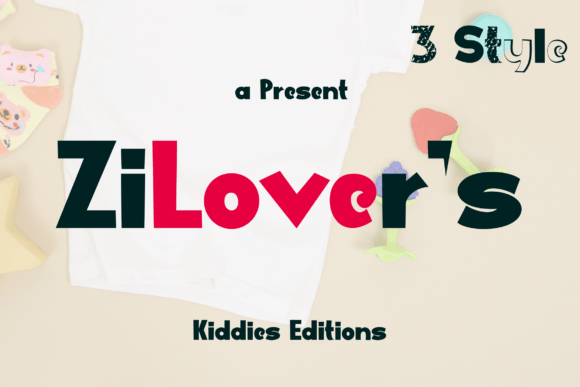
Zilovers: A Typeface That Brings Whimsy and Joy to Your Projects
There's a particular kind of magic in typography that makes people smile before they even read the words. You've seen it on children's book covers, on playful packaging at the grocery store, and in social media posts that stop your scroll. That warmth, that sense of fun—it often comes down to a single design choice: the font. For creators who want to capture that lighthearted energy, a typeface like Zilovers offers something genuinely refreshing. It's a display font built around personality, designed to inject color, happiness, and a touch of whimsy into everything it touches.
ZiLover's Font arrives with three distinct styles—Regular, Outline, and Broken—each bringing its own flavor to the table. The Regular style is clean and versatile, the kind of workhorse that feels at home on a birthday invitation or a bakery logo. The Outline variant strips things back, leaving open letterforms that invite color fills, patterns, or layered effects. Then there's the Broken style, which is where things get genuinely interesting. It introduces an intentionally fragmented, hand-crafted look that feels spontaneous and a little rebellious. Together, these three options give you a toolkit that adapts to a surprising range of creative scenarios.
Where Whimsy Meets Real-World Design Needs
Let's be honest: not every project calls for a serious serif font or a minimalist sans serif. Sometimes your brand, your product, or your content needs to feel approachable, energetic, and fun. That's exactly the space where a creative font like this one thrives. Think about the last time you browsed a children's clothing store online or picked up a box of cereal designed for kids. The typography did heavy lifting—it communicated tone, set expectations, and created an emotional connection before any copy was read.
For small business owners running a daycare, a toy shop, or a kids' party planning service, the right display font can become a cornerstone of your brand identity. Instead of defaulting to Comic Sans or another overused option, choosing a premium font with genuine character signals professionalism while still keeping things playful. It tells parents and customers that you care about the details, that your brand has personality, and that you've thought carefully about how you present yourself visually.
Practical Applications Across Industries
The versatility of Zilovers extends well beyond children's brands, though that's a natural starting point. Here are some concrete ways this typeface can serve different creators and professionals:
- Packaging design — A juice box, a snack bag, or a craft kit aimed at young families benefits enormously from typography that feels joyful. The Outline style works beautifully here, letting background colors or illustrations show through the letterforms.
- Social media graphics — Instagram posts, Pinterest pins, and TikTok thumbnails need fonts that pop at small sizes. The Regular style holds up well in these contexts, delivering readability with personality.
- Logo design — For brands that want to feel welcoming and energetic, a whimsical typeface can anchor an entire visual identity. Pair it with a simple sans serif for body copy and you've got a balanced, professional look.
- Invitations and event materials — Birthday parties, baby showers, school events, and community gatherings all benefit from typography that sets a celebratory mood.
- Digital products — If you sell printable worksheets, coloring pages, or educational materials on platforms like Etsy, a font that feels warm and approachable can make your products stand out in a crowded marketplace.
- Merchandise — T-shirts, tote bags, stickers, and mugs designed for kids or families often rely on bold, expressive lettering. The Broken style adds a hand-drawn quality that feels artisanal and unique.
- Blog headers and editorial layouts — Parenting blogs, recipe sites for family meals, and lifestyle content aimed at young families can use this typeface for headings to create visual interest without sacrificing clarity.
- Marketing assets — Flyers, email headers, and promotional banners for children's programs, summer camps, or family-friendly businesses gain immediate visual appeal with a font that communicates warmth.
Matching Typography to Your Project Goals
Choosing the right style from the three available options comes down to understanding what you're trying to communicate. If your project needs broad readability—say, a website hero banner or a product label—the Regular style is your safest bet. It carries the playful DNA of the typeface while remaining legible at various sizes.
The Outline style shines when you want to create layered compositions. Imagine a poster where the letterforms are filled with watercolor textures, or a social media graphic where the outlines sit over a photograph. This style gives you creative freedom to experiment with color and texture in ways that solid letterforms don't allow.
And then there's the Broken style, which is arguably the most distinctive of the three. It works best in contexts where you want to convey authenticity, craftsmanship, or a slightly imperfect handmade quality. Think artisanal children's products, indie brand identities, or editorial layouts that aim for a zine-like aesthetic. It's not the right choice for every situation, but when it fits, it really fits.
A practical tip: always test your chosen style at the actual size it will appear in your final design. A font that looks charming on your 27-inch monitor might lose its charm when shrunk down to a business card or a favicon. Print a test sheet if you're working on physical materials. View it on a phone screen if it's destined for social media. Context matters enormously with display typography.
Building Visual Consistency and Brand Recognition
One of the most overlooked benefits of committing to a specific typeface across your brand materials is the consistency it creates. When your packaging, website, social media profiles, and printed materials all share the same typographic voice, customers begin to recognize you instantly. That recognition compounds over time into trust, and trust is the foundation of any successful brand.
A typeface like Zilovers, with its three coordinated styles, makes this consistency easier to maintain. You can use the Regular style for primary headings, the Outline for accent elements and callouts, and reserve the Broken style for special editions or limited-run campaigns. This approach gives your visual identity variety without chaos—a cohesive system rather than a collection of disconnected design choices.
Font pairing is another consideration worth your time. A whimsical display font works best when balanced with something more neutral for body text. A clean sans serif like Montserrat, Open Sans, or Nunito creates a natural contrast that keeps your layouts readable while letting the display typeface do what it does best—catch eyes and convey personality. Avoid pairing two expressive fonts together, as they'll compete for attention and create visual noise.
Licensing and Commercial Considerations
Before incorporating any font into a commercial project, it's worth reviewing the licensing terms carefully. Most premium fonts come with clear guidelines about how they can be used—whether for personal projects, commercial products, or both. If you're designing merchandise for sale, creating client work, or building a brand identity for a business, make sure your license covers those applications. This is one of those details that's easy to overlook early on but can become a real headache later if not addressed upfront.
For designers working with clients, documenting which fonts are used in each project and confirming that the appropriate licenses have been purchased is a professional practice that protects everyone involved. It's not glamorous work, but it's the kind of behind-the-scenes diligence that separates hobbyists from professionals.
Ultimately, a typeface is more than a collection of letterforms—it's a voice. Zilovers speaks in a language of joy, creativity, and warmth. Whether you're building a children's brand from scratch, refreshing your social media presence, or designing packaging that needs to leap off a shelf, having a font that carries that energy gives you a genuine creative advantage. The three styles provide enough range to keep things interesting across different applications, while the consistent personality ensures everything still feels like it belongs together. That balance between variety and cohesion is exactly what thoughtful design is all about.