Rotten Valley: When Your Design Needs a True Horror Typeface
There's a moment in every horror project where generic fonts just fall apart. You know the feeling—you're working on a haunted house flyer or a indie horror game title, and every typeface you try looks like it belongs on a greeting card. That's where Rotten Valley enters the picture, not as just another scary font, but as a genuinely unsettling visual tool that understands what makes horror design actually work.
Beyond Just "Scary Letters"
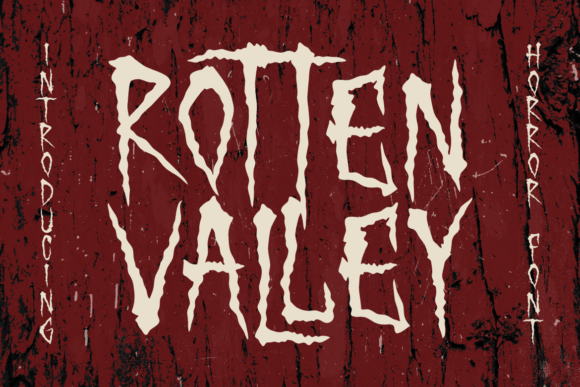
What sets Rotten Valley apart from other horror fonts is its refusal to rely on cheap tricks. Instead of simply adding blood drips or making letters look cracked, this typeface starts from a fundamentally different place. The letterforms themselves feel organic in the worst possible way—jagged, asymmetrical, and deliberately irregular in ways that trigger that primal discomfort we associate with things that shouldn't exist.
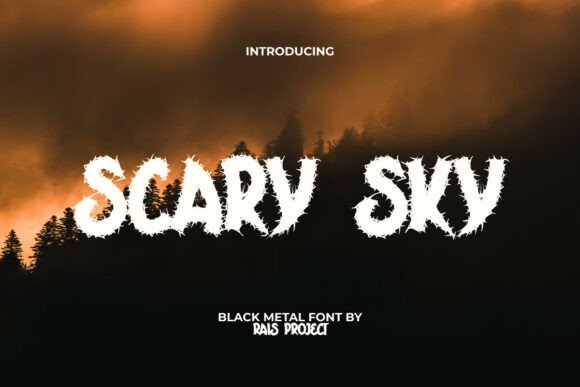
Look closely at the strokes. They don't just appear distressed; they feel carved, slashed, or grown like something from a nightmare. Those spindly extensions reaching from certain letters remind you of claw marks or exposed bone, while the overall texture suggests decayed wood or torn material. This isn't decoration—it's atmosphere baked into every single glyph.
The genius of Rotten Valley's design lies in its restraint. It doesn't scream with obvious gore. Instead, it whispers menace through carefully crafted imperfection. Set those off-white characters against a dark, grungy backdrop, and suddenly your entire composition bleeds with dread. That's the kind of visual consistency that separates amateur horror design from professional work.
Where This Typeface Actually Shines
Let's get practical about where Rotten Valley earns its place in your design toolkit. Horror movie posters are the obvious starting point—the typeface practically begs for theatrical one-sheets and festival artwork. But its applications extend much further than the obvious.
Haunted attractions and event branding benefit enormously from this kind of typography. When you're designing signage, tickets, or promotional materials for a seasonal haunt, Rotten Valley delivers that immediate "danger" signal before visitors even step through the door. The font does heavy lifting for your brand identity in spaces where atmosphere is everything.
Game developers working on horror titles will find this typeface invaluable for menu screens, chapter titles, loading text, and promotional graphics. It maintains readability at various sizes while never breaking the immersion you've worked so hard to build. That balance between aesthetic impact and functional clarity matters more than most people realize.
For independent authors publishing thriller, horror, or dark fantasy novels, cover design often makes or breaks sales. Rotten Valley gives self-published writers access to the kind of typographic punch that traditionally published books use, helping level the playing field in crowded digital marketplaces like Amazon or BookBub.
Working With Its Character Set
One practical advantage worth noting: Rotten Valley includes full uppercase and lowercase letters, numerals, punctuation, and essential symbols. This matters because horror design isn't just titles—it's body text on merchandise, pricing on event materials, dates on promotional content. Having those numerals and symbols maintain the same unsettling aesthetic prevents jarring visual breaks in your layouts.
The PUA encoding deserves special mention here. If you've ever wrestled with accessing alternate characters or swashes in other fonts, you know the frustration. Rotten Valley's encoding means every glyph, every alternate, every decorative variation sits right at your fingertips through standard design software. This accessibility translates directly to faster workflow and more creative experimentation.
Pairing and Practical Considerations
Here's where many designers stumble with horror fonts—they pair them poorly. Rotten Valley demands thoughtful companions. For body text alongside this display font, consider clean sans serif options that won't compete for attention but won't look completely out of place either. Something with enough weight to hold its own next to those aggressive letterforms, but neutral enough to let the headline typeface dominate.
Test your pairings at actual sizes before committing. That distressed texture that looks incredible at 72 points might become muddy or illegible at 12 points. For web design applications, check rendering across different browsers and devices. Horror aesthetics work best when they're crisp and intentional, not blurry and accidental.
Color choices amplify everything Rotten Valley offers. Deep blacks, blood reds, sickly greens, or that classic bone white against charcoal—each combination shifts the emotional register slightly. Play with these palettes during your design process rather than settling for default black text on white backgrounds.
Commercial Projects and Licensing
Before using Rotten Valley in client work or products for sale, verify the specific licensing terms attached to your purchase. Commercial font licensing varies significantly between foundries and marketplaces. Some licenses cover unlimited projects; others limit print runs or digital installations. Understanding these terms protects both you and your clients from potential issues down the road.
For packaging design, merchandise, or marketing assets that will see wide distribution, confirm your license accommodates that usage. This isn't just legal housekeeping—it's professional practice that separates serious designers from hobbyists. Most premium fonts offer clear commercial licensing, and Rotten Valley is no exception.
Making the Decision
Every typeface choice carries weight. The fonts you select communicate before a single word gets read, shaping audience perception in milliseconds. Rotten Valley communicates danger, unease, and dark atmosphere with remarkable efficiency. If your project lives in horror, thriller, or dark fantasy spaces, this typeface doesn't just fit—it elevates.
Consider downloading test versions or previewing the full character set before purchasing. Run it through a quick mockup of your actual project rather than evaluating it in isolation. A font that looks stunning in a specimen sheet might feel wrong for your specific brand voice, or it might feel exactly right. Either way, that hands-on testing beats any amount of browsing preview images.
The best design assets solve real problems. If your current horror projects feel visually generic, if your typography undermines the atmosphere you're building, if your branding lacks that visceral impact—Rotten Valley addresses those specific challenges with a thoughtfully crafted, deeply unsettling typeface built for exactly these moments.