Garden: The Playful Typeface That Brings Creative Projects to Life
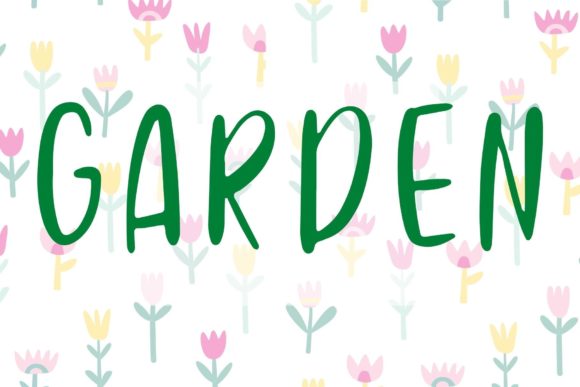
Finding a font that feels both distinctive and versatile can feel like searching for a needle in a haystack. You want something with personality—something that doesn't just sit there on the page but actively contributes to the story you're telling. Garden is exactly that kind of typeface. It's a cute and jolly display font that manages to be eye-catching without being overbearing, making it a surprisingly flexible choice for a wide range of creative and commercial projects.
Understanding Garden's Visual Charm
At its core, Garden is a display typeface, which means it's designed to make an impact at larger sizes. Think headlines, logos, and banner text rather than long paragraphs of body copy. Its letterforms have a friendly, rounded quality that evokes warmth and approachability. The characters feel carefully crafted with a subtle bounce, giving text set in Garden an energetic, optimistic rhythm. This isn't a font that takes itself too seriously, and that's precisely its strength.
What makes Garden stand out among other creative fonts is its balance. Some playful typefaces lean so far into whimsy that they become difficult to read or limit their practical applications. Garden avoids that trap. Its letter spacing is generous enough to maintain clarity, and the overall design feels cohesive rather than chaotic. You get the charm without sacrificing legibility, which is a combination that's harder to find than you might expect.
Where Garden Really Shines: Real-World Applications
Let's talk about where this typeface actually works well, because understanding practical applications is what separates a nice-looking font from a genuinely useful design asset.
Branding and Logo Design
If you're building a brand identity for something that needs to feel welcoming and approachable, Garden deserves serious consideration. Bakeries, children's clothing lines, indie craft shops, plant nurseries, wellness brands, and community-focused businesses often struggle to find typography that communicates warmth without looking amateurish. Garden walks that line beautifully. Set your business name in Garden, and you immediately signal friendliness and creativity.
Packaging and Product Design
On product labels and packaging, Garden catches the eye on crowded shelves. Its distinctive character helps products stand out, particularly in categories like artisan foods, handmade cosmetics, or specialty goods where the packaging needs to reflect the care that went into the product itself. The font's personality helps tell a story before the customer even picks up the item.
Social Media and Digital Content
For content creators, bloggers, and social media managers, Garden works wonderfully in graphics for Instagram, YouTube thumbnails, Pinterest pins, and promotional posts. Display fonts like this are built for exactly these situations—short bursts of text that need to grab attention while scrolling. A quote graphic, a sale announcement, or a channel intro set in Garden immediately feels more polished and intentional than default system fonts.
Print Materials and Invitations
Event invitations, greeting cards, flyers, and posters all benefit from a typeface with personality. Garden brings a celebratory quality to invitations for birthdays, baby showers, garden parties, and casual weddings. It also works well for poster designs for community events, farmers markets, and creative workshops where the visual tone needs to match the event's spirit.
Websites, Blogs, and Digital Products
While you wouldn't set an entire website in a display font, Garden makes an excellent choice for website headers, section titles, and call-to-action buttons. Bloggers who create downloadable resources—planners, worksheets, digital stickers—can use Garden to give their products a cohesive, branded look that feels professional and thoughtfully designed.
Matching Typography to Your Project Goals
Choosing the right font isn't just about finding something that looks nice in isolation. It's about matching the typeface to your specific goals and audience. Garden works best when your project calls for a tone that's friendly, creative, and energetic. It's probably not the right choice for a law firm's annual report or a luxury watch brand, but for a huge range of other contexts, it fits naturally.
Consider your audience carefully. If you're targeting families, young adults, creative professionals, or anyone who appreciates a handmade, artisanal aesthetic, Garden aligns well with those sensibilities. The font communicates that a real person put thought into the design, which builds trust and connection in ways that generic typography simply can't.
Think about the emotional response you want to create. Fonts carry emotional weight whether we're conscious of it or not. Garden's round, open letterforms and playful proportions naturally evoke happiness, creativity, and approachability. If those feelings align with your brand or project, you're on the right track.
Pairing Garden with Other Typefaces
One of the most practical skills in design is knowing how to combine fonts effectively. Garden is a display font, so it pairs best with simpler companion typefaces for body text. A clean sans serif font or a straightforward serif font provides the readability that longer passages need while letting Garden take center stage in headlines and key phrases.
The contrast between a decorative display font and a more neutral body font creates visual hierarchy, which helps readers navigate your content naturally. Their eye goes to the headline first, then moves comfortably into the supporting text. This principle applies whether you're designing a magazine layout, a website, a brochure, or a social media carousel.
When testing font pairings, try setting a sample of your actual content rather than just looking at the alphabet. Type out a real headline and a real paragraph. See how they interact at the sizes you'll actually use. Check that the weights and proportions feel balanced together. This kind of practical testing reveals things that specimen sheets alone won't show you.
Practical Considerations Before You Commit
Before incorporating Garden into any project, take a few practical steps that experienced designers always follow.
- Review the included styles. Check what weights, alternates, or special characters come with the font. Understanding the full toolkit helps you use it more creatively and avoid surprises mid-project.
- Test at your actual sizes. A font that looks gorgeous at 72 points might behave differently at 36 or 24 points. Always test at the sizes you'll use in your final design.
- Check readability with your content. Set a few sentences in Garden using your real words. Make sure every letter is easy to distinguish, especially in words with similar-looking characters.
- Understand the licensing. If you're using Garden for commercial work—client projects, products for sale, business branding—make sure your license covers that use. Premium fonts typically come with clear licensing terms, and respecting those terms protects both you and the font designer.
- Consider your full design system. A font doesn't exist in isolation. Think about how Garden fits alongside your color palette, imagery style, and overall visual language.
Building a Consistent Visual Identity
One of the most overlooked benefits of choosing the right typeface early in a project is the consistency it brings. When you establish Garden as part of your brand identity or design system, every piece of content you create starts to feel connected. Your Instagram posts match your website headers, which match your packaging, which matches your email newsletters. That visual consistency builds brand recognition over time, and brand recognition builds trust.
For small business owners and entrepreneurs especially, this kind of cohesive presentation levels the playing field. You don't need a massive design budget to look professional and intentional. A thoughtfully chosen typeface like Garden, applied consistently across your touchpoints, communicates quality and care to your audience. It tells them you take your work seriously, even if your business is just you and a laptop at your kitchen table.
Typography is one of those design elements that works quietly in the background, shaping perception in ways people feel but rarely articulate. When you choose well, everything just looks and feels right. Garden offers that quality for projects that need personality, warmth, and a touch of joy—the kind of creative energy that makes people stop scrolling, lean in, and pay attention.