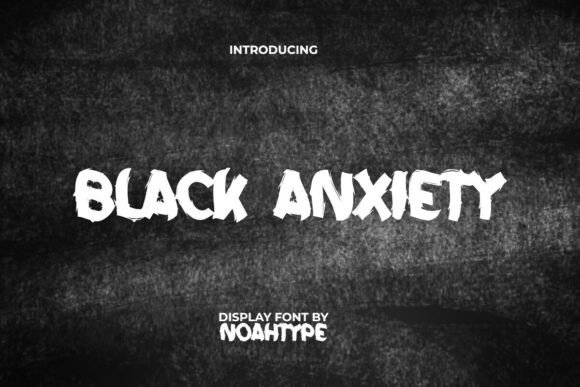
Unleash Your Dark Side: Designing with Scary Art
There is a specific kind of electricity that runs through a design when it isn’t afraid to be bold. We have all seen the safe, rounded sans-serifs that dominate the corporate landscape, but sometimes, a project demands grit. It demands texture. It demands a voice that sounds less like a polite greeting and more like a roar. This is the exact space where Scary Art lives. It is not just a collection of letters; it is a statement piece. Built from messy paint strokes and steeped in a horror black metal aesthetic, this typeface bridges the gap between raw artistic expression and functional commercial design. For designers, entrepreneurs, and creators who need to cut through the noise, understanding how to wield a font with this much personality is the key to making a lasting impact.
The Anatomy of a Rough Brush Typeface
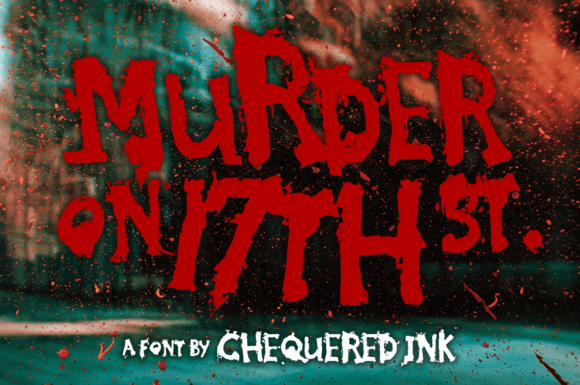
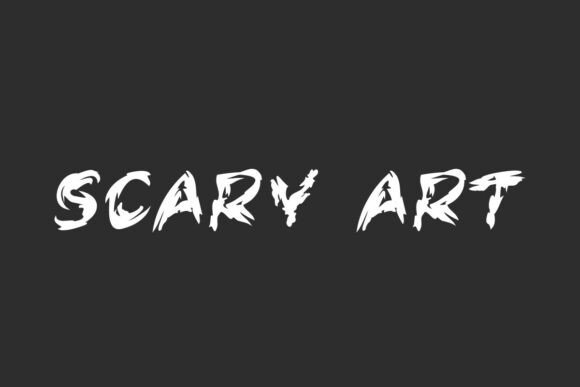
To truly appreciate the utility of Scary Art, you have to look at its construction. This is a decorative rough brush font, meaning it carries the organic imperfections of hand-painted letterforms. Unlike clean vector text, which can sometimes feel sterile or cold, the edges here are jagged and textured. The inspiration comes from messy paint strokes, giving the letters a tactile quality that feels immediate and raw. This style is heavily influenced by the visual language of extreme music genres and horror cinema—think of the jagged, chaotic logos often associated with black metal bands or the gritty title cards of 90s slasher films.
However, you don't need to be designing a horror movie poster to make this work. The "scary" aspect is more about the intensity of the vibe. In the world of modern typography, texture is king. Flat design is slowly giving way to depth and grain, and a typeface like this provides that built-in texture without requiring complex layering effects in Photoshop. It stands on its own as a piece of art. The visual appeal lies in its imperfection—it feels human, handmade, and unapologetically loud. For a small business owner looking to brand a product that needs to feel "edgy" or "underground," this font offers an instant visual shorthand.
From Logo Design to Product Packaging
One of the most common questions I hear from clients and fellow creatives is how to choose the right font style for a brand identity. The typeface you choose is the "clothing" your words wear, and Scary Art is the leather jacket and combat boots of the font world. It commands attention immediately.
Consider the application in logo design. If you are launching a craft brewery, a hot sauce brand, or a high-intensity fitness center, a standard serif or sans serif might blend into the background. A rough brush typeface, however, suggests flavor, heat, and power. It tells the customer that the product inside is bold before they even read the description.
This translates seamlessly into packaging design. On a shelf crowded with minimalism, a textured, horror-inspired font creates a focal point. It is particularly effective for:
- Event or Festival Branding: Music festivals, haunted houses, or Halloween pop-up events rely on this aesthetic to set the mood.
- Fashion and Streetwear: Street culture often borrows from punk and metal aesthetics. This font fits perfectly on hoodies, caps, and merchandise.
- Game and Movie Titles: If you are an indie developer or filmmaker, using a premium font like this adds production value to your title cards and promotional posters.
- Publishing: Book covers for thrillers, horror novels, or graphic novels need typography that signals the genre instantly.
Practical Applications for Digital Content
While print is a strong suit, the digital realm offers endless opportunities for Scary Art. In the fast-scrolling environment of social media, you have milliseconds to stop a user's thumb. A generic post gets ignored; a post with a striking, textured headline gets clicked.
For social media graphics, use this font for short, punchy headlines. Think "SALE," "NEW DROP," or "LIMITED EDITION." Because the font is so visually dense, it works best for short bursts of text rather than long sentences. It creates a sense of urgency and excitement that is hard to achieve with cleaner fonts.
Bloggers and content creators can also benefit from this style. If you run a blog about alternative culture, true crime, or even creative writing, using Scary Art for your article headers can help establish a distinct brand voice. It sets the stage for the content that follows, creating an immersive experience for the reader. Furthermore, for those selling digital products—such as printable wall art, stickers, or planner inserts—this font allows you to create unique, high-value assets that stand out in marketplaces like Etsy or Creative Market.
Mastering Font Pairing and Readability
Here is the practical reality of using a display font: it is rarely meant to carry the weight of an entire design alone. Scary Art is a powerhouse for headers, but it is not a body text font. Trying to read a paragraph of rough brush script is exhausting for the eyes. This is where font pairing becomes your best friend.
To maintain readability and professional presentation, you need to balance the chaos of the brush font with something clean and structured. A strong sans serif font or a classic serif font usually pairs best. The contrast between the organic, messy strokes of the header and the geometric precision of the body text creates visual hierarchy. The viewer sees the "art" first, then reads the "information" second.
When testing your pairings, pay attention to the x-height and weight. You want a body font that feels substantial enough not to be overshadowed by the bold strokes of Scary Art. For example, pairing it with a heavy, industrial sans-serif can amplify the "street" vibe, while pairing it with a light, elegant serif creates a fascinating high-fashion meets grunge contrast.
Ensuring Visual Consistency Across Platforms
One of the biggest hurdles in branding is maintaining consistency. You want your audience to recognize you whether they see your logo on a website, a business card, or a billboard. By integrating a distinctive typeface like Scary Art into your toolkit, you build brand recognition through unique visual cues.
However, consistency requires discipline. If you use this font for your main branding, you shouldn't use five other "scary" fonts on the side. Stick to your primary choice for all major headlines and call-to-actions. This repetition trains your audience. When they see those jagged, paint-stroke letters, they will immediately associate them with your brand identity.
It is also worth reviewing the specific styles included with the font. Many premium fonts come with different weights or alternate characters. Utilizing these variations allows you to create diversity in your layouts without breaking the visual style. You might use a heavier weight for a massive poster headline and a slightly lighter or more condensed version for a website banner. This keeps the design dynamic while remaining cohesive.
Licensing and Commercial Use
Finally, for the entrepreneurs and business owners reading this, we need to talk about the boring but necessary stuff: licensing. Scary Art is a commercial font, which means it is designed for professional use. However, before you launch your global campaign, always check the specific license terms.
Most premium fonts offer different tiers of licensing. A standard license usually covers web use, social media, and standard print runs. If you plan to use the font for merchandise (like t-shirts or mugs) where the font itself is the primary design element, you may need an extended license. This ensures the original type foundry is compensated for their work, which allows them to keep creating high-quality design assets for us to use.
Investing in a legitimate license is part of professional presentation. It protects your business from legal headaches down the road and supports the creative ecosystem. Once you have your license secured, the only limit is your imagination. Whether you are designing a movie poster, a label for a hot sauce, or a banner for a gaming convention, Scary Art gives you the tools to make something that isn't just seen, but felt. It proves that sometimes, to grab attention, you have to be a little bit scary.