Think Techno: A Display Font for Bold, Modern Projects
Every designer has faced that moment—the project brief calls for something futuristic, energetic, and impossible to ignore. You scroll through font libraries for hours, testing option after option, searching for a typeface that captures a specific mood. That's where a font like Think Techno enters the conversation. It's a display typeface built for impact, with geometric letterforms and a distinctly modern aesthetic that commands attention the moment it appears on screen or in print.
Where Futuristic Meets Functional
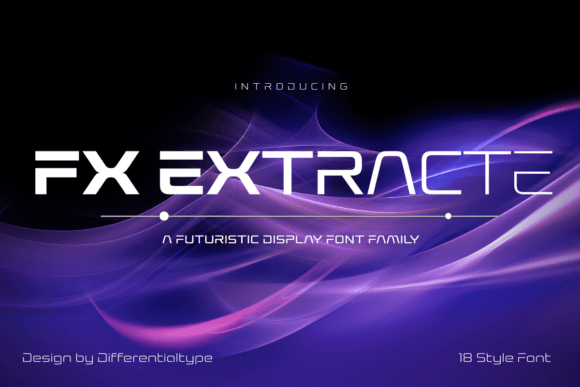
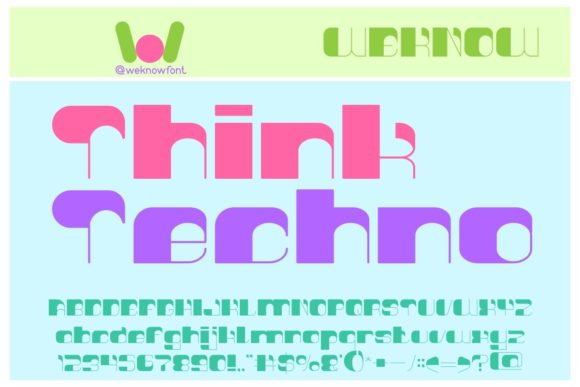
Think Techno isn't trying to be everything. It's a specialty display font, and that specificity is its strength. The letterforms carry a clean, angular quality—think sharp terminals, consistent stroke widths, and a rhythm that feels almost mechanical in its precision. There's a subtle nod to sci-fi aesthetics without veering into novelty territory. The result is a typeface that reads as forward-thinking and confident without sacrificing legibility at larger sizes.
What makes it visually appealing? The balance. Some techno-inspired fonts lean so heavily into stylistic flourishes that they become difficult to read. Think Techno maintains clarity while still delivering personality. The characters have enough distinctive features to feel unique—maybe a slightly squared-off curve here, a geometric cutout there—but they don't sacrifice the fundamental need to be understood. For anyone working on a project where the typography needs to do heavy lifting in terms of mood and tone, that balance matters enormously.
Creative Applications That Actually Work
Let's talk about where this font genuinely shines, because not every typeface works for every project. Think Techno is purpose-built for scenarios where you need to make a visual statement quickly. Here's where it fits naturally:
- Logo design and brand identity — If you're building a brand for a tech startup, gaming company, esports team, music label, or any business that wants to project innovation and energy, this font gives you a strong starting point. The geometric structure translates well to logos that need to scale from favicon to billboard.
- Poster and event graphics — Concert posters, festival promotions, tech conference materials, and movie posters all benefit from display fonts that create instant atmosphere. Think Techno's bold presence works especially well for music events, electronic genres, or anything targeting a younger, design-savvy audience.
- Packaging design — Think about product packaging on a shelf. You have roughly three seconds to communicate what a product is and who it's for. A distinctive display font on the front panel can do that work efficiently. This typeface suits products in the tech, gaming, energy drink, or streetwear spaces particularly well.
- Social media and digital content — Thumbnails, story templates, quote graphics, and promotional posts all need typography that stops the scroll. A font with strong visual presence like Think Techno can anchor a social media template system and give it a cohesive, recognizable look across platforms.
- Merchandise and apparel — T-shirts, hoodies, hats, and stickers are where display fonts get to live in the real world. The clean geometric style of this font reproduces well on fabric and physical goods, maintaining its character whether it's screen-printed, embroidered, or heat-transferred.
- Editorial and magazine layouts — Pull quotes, section headers, and cover lines need a typeface that creates visual hierarchy without competing with body copy. Used sparingly and at larger sizes, Think Techno can add editorial edge to magazine spreads, book covers, or comic title pages.
Making It Work in a Real Design System
Here's something worth understanding about any premium display font: it rarely works alone. The most effective typography systems use contrast. Think Techno handles the headlines, the hero text, the moments of visual drama. But for body copy, extended descriptions, or anywhere readability at small sizes is critical, you'll want to pair it with something more restrained.
A clean sans-serif font works well alongside it—something with open letterforms and a neutral personality that lets the display font do its job without creating visual noise. If your project leans more editorial, a classic serif font for body text can create an interesting tension with the futuristic display type. The key is testing. Set your headline in Think Techno, set your paragraph text in your secondary font, and look at the combination together. Does the hierarchy feel natural? Does the body text feel too plain or too busy by comparison? Good font pairing isn't about finding two fonts that match—it's about finding two fonts that complement each other through contrast.
Pay attention to spacing, too. Display fonts often benefit from slightly adjusted letter-spacing depending on the context. A logo might call for tighter tracking to create a unified mark, while a poster headline might need a touch more breathing room. Most premium font packages include multiple weights or styles, so review what's included before you start designing. You might find that a condensed or extended version serves your layout better than the standard cut.
Practical Considerations Before You Commit
Before incorporating any commercial font into a client project or product line, a few practical steps can save headaches later. First, check the licensing. Most premium fonts come with specific terms—desktop licenses for print work, webfont licenses for online use, app licenses for embedded typography. Some licenses cover a single user; others allow team-wide access. Make sure the license matches how you actually plan to use the font.
Second, test for readability in context. A font that looks striking in a font preview at 72pt might behave differently at 24pt on a mobile screen or when printed on textured paper. Set real copy—not just "The quick brown fox"—and evaluate it with fresh eyes. Ask someone unfamiliar with the project to read it and give honest feedback.
Third, think about longevity. Trendy typefaces can date a design quickly. The best creative fonts manage to feel current without being so tied to a specific moment that they look outdated in eighteen months. Think Techno's geometric foundation gives it enough timelessness to work across multiple project cycles, especially if you're building a brand identity that needs to last.
Typography as a Strategic Choice
Choosing a font is never just an aesthetic decision—it's a strategic one. The typeface you select communicates tone, audience, and intent before a single word is read. A display font like Think Techno tells the viewer that this brand, this project, this message is forward-looking and bold. It suggests technology, speed, and precision. For the right project, those associations are exactly what you need.
For designers, small business owners, and creative professionals building visual identities, having a reliable collection of display fonts in your toolkit means you're prepared for a range of projects. Whether you're designing a logo for a new app, laying out a festival poster, creating social media templates for a client, or packaging a product that needs to stand out on a crowded shelf, the right typeface choice at the beginning of a project saves time and elevates the final result.
Think Techno occupies a specific niche in the typography landscape—one that serves modern, high-energy, visually driven projects exceptionally well. Used thoughtfully, paired wisely, and applied with attention to context, it becomes more than just a font choice. It becomes part of the visual language that defines how your audience experiences your work.