Rubik Cube: A Nostalgic Font for Modern Branding
There’s a specific kind of magic in the intersection of 80s nostalgia and modern minimalism. If you are looking for a typeface that captures the energy of retro gaming without sacrificing contemporary design standards, you have likely stumbled upon a hidden gem. This isn't just another set of letters; it is a design system packed into a single font family. Imagine taking the blocky, satisfying structure of a classic puzzle cube and translating it into typography. The result is a typeface that feels tactile, vibrant, and unmistakably digital, yet friendly enough for a wide range of applications.
The Anatomy of a Pixel-Perfect Typeface
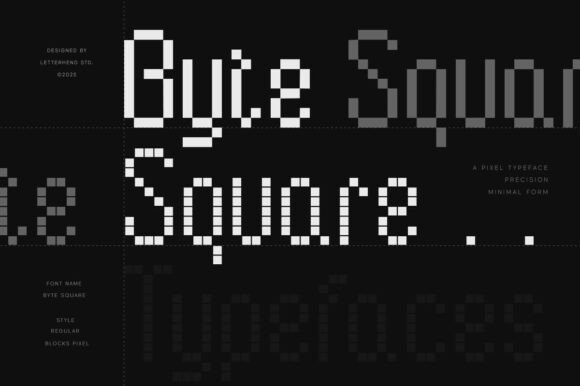
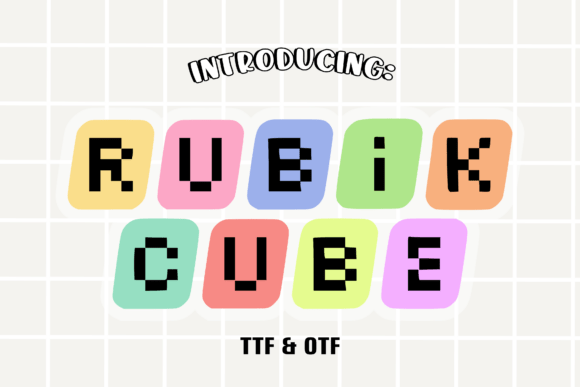
At first glance, the visual appeal of this typeface is obvious. It utilizes a pixel-style font aesthetic, but it does so with a modern twist that avoids looking dated or low-resolution. Each letterform is constructed with clean, geometric precision, sitting comfortably inside a colorful, square block. This design choice creates a built-in grid system that designers often crave. It brings a retro gaming aesthetic to the table, but because the curves and edges are refined, it reads as intentional and high-quality rather than accidental.
The "cube" aspect is what truly sets it apart. The background blocks surrounding each character provide a unique opportunity for color blocking. You can keep the palette monochromatic for a sleek, tech-inspired vibe, or you can explode with bright, saturated hues to mimic the chaotic joy of a Saturday morning cartoon or an arcade cabinet. This structural element transforms simple text into a graphic asset. It turns a headline into a pattern and a logo into an icon. For those who appreciate modern typography that pushes boundaries, this font offers a playground of visual texture.
Practical Applications: From Screen to Print
Understanding where a display font fits into your workflow is half the battle. Because of its distinct personality, this typeface shines brightest in contexts where you need to grab attention immediately. It is not a workhorse body text font; rather, it is the showstopper that draws the eye before handing off the reading duties to a clean sans serif font or serif font.
Here is how different creators can leverage this style:
- Branding and Logo Design: If you are building a brand identity for a tech startup, a mobile game, or a streetwear label, this font offers instant memorability. It suggests innovation and playfulness. A logo set in this typeface tells the audience that the brand is approachable, creative, and perhaps a little bit cheeky.
- Packaging Design: In the crowded aisles of retail or the endless scroll of an e-commerce page, packaging needs to pop. Using this font for product names on boxes—especially for snacks, energy drinks, or children's toys—creates a tactile, "unboxing" experience before the package is even opened.
- Social Media and Web Design: Algorithms love engagement, and visuals drive engagement. Use this font for Instagram stories, YouTube thumbnails, or website hero sections. Its high-contrast, blocky nature ensures readability even on small mobile screens, provided it is used for headers and key callouts.
- Merchandise and Apparel: The retro aesthetic is booming in the fashion world. Think about how well these blocky letters would look printed on the front of a hoodie, a tote bag, or a enamel pin. It translates exceptionally well to screen printing and embroidery because of its solid shapes.
- Posters and Editorial Layouts: For event posters, magazine headers, or creative portfolios, this typeface acts as a piece of art in itself. You don't need complex illustrations when the typography can carry the visual weight of the layout.
Bridging the Gap: Strategy and Readability
While aesthetics are crucial, a premium font must also be functional. One of the challenges with highly stylized creative fonts is often readability. However, the pixel-grid construction of this design actually aids in legibility. The letters are distinct, and the spacing (or kerning) is usually optimized to prevent the characters from blurring into one another.
That said, context is king. When using a bold, pixelated typeface, you must consider the hierarchy of your information. It is best paired with a neutral companion font. For example, if you use this blocky style for your main headline, pair it with a simple geometric sans serif font for your body copy. This creates a balanced visual rhythm that doesn't overwhelm the reader. The headline screams for attention, while the body text whispers the details.
Furthermore, consider the emotional resonance. Typography speaks a silent language. A jagged, pixelated font speaks of nostalgia, logic, problem-solving, and digital culture. If you are designing a marketing asset for a serious financial institution or a luxury law firm, this might not be the right fit. But if you are marketing a productivity app, a coding bootcamp, or a vintage game store, it is the perfect vocalization of your brand's voice.
Technical Considerations for Designers
Before integrating any new design assets into your toolkit, it is wise to review the technical specifications. A high-quality typeface usually comes with more than just the basic alphabet. Look for features that enhance versatility:
- Character Set: Does the font include multilingual support? For global brands or diverse audiences, the inclusion of accented characters is non-negotiable.
- Ligatures and Alternates: To keep the design from looking repetitive, check for alternative characters. Perhaps there are different styles for the "g" or "a," or maybe there are decorative ligatures that combine letters in interesting ways.
- Commercial Licensing: This is a critical step often overlooked by hobbyists. Ensure the license covers your intended use. If you are selling merchandise (like t-shirts or mugs), you typically need an extended commercial license. If it is just for a client's logo, a standard license usually suffices. Always read the fine print to avoid legal headaches down the road.
- File Formats: Ensure the package includes TTF, OTF, and ideally a Webfont version (WOFF/WOFF2) so you can use it seamlessly across desktop design software and live websites.
Finding the Right Vibe for Your Project
Choosing a font is rarely just about the letters; it is about the feeling. When you look at the Rubik Cube typeface, it evokes a sense of fun and structure. It reminds us that design can be playful without being unprofessional. It bridges the gap between the digital world of code and pixels and the physical world of print and merchandise.
For the small business owner, it offers a way to stand out without spending thousands on a custom illustration. For the content creator, it provides a consistent visual signature that followers will recognize instantly. For the designer, it is a tool that solves the problem of "boring" text.
Ultimately, the best way to know if a font works is to test it. Drop it into your next mockup. See how it interacts with your color palette. Does it enhance your message? Does it make your product look more appealing? If you find that it injects a dose of energy and clarity into your work, then you have found the right tool. In a digital landscape that is constantly evolving, having a typeface that feels both nostalgic and futuristic is a powerful asset to have in your creative arsenal.