Rough Creepy: The Font That Screams Halloween Horror
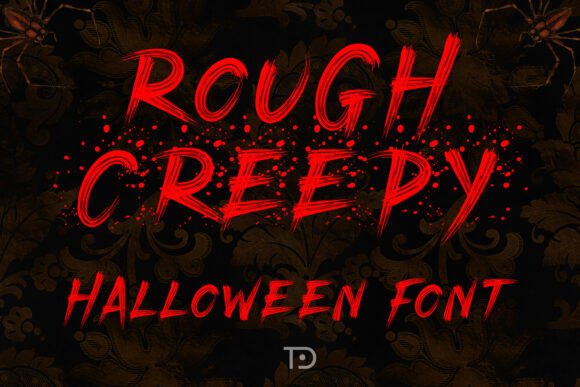
Imagine walking down a dimly lit hallway in a haunted attraction. The walls are covered in peeling, ominous messages scrawled in what looks like dried blood. That visceral, hand-scratched feeling is exactly what the Rough Creepy typeface brings to your digital and print designs. It isn’t just a font; it is a visual sound effect. When you need typography that feels jagged, chaotic, and unapologetically terrifying, this premium font steps up to the plate. It captures the essence of vintage horror movie posters and gritty underground zines, offering a texture that immediately signals danger and suspense to your audience.
Why Texture Matters in Horror Design
In the world of branding and visual communication, polish isn't always the goal. Sometimes, perfection feels sterile and safe. When you are designing for a horror theme, a haunted house event, or a spooky seasonal campaign, you need a typeface that looks lived-in and distressed. Rough Creepy relies on jagged strokes and a chaotic, hand-drawn style to create immediate emotional impact. Unlike a clean sans serif font, this display typeface commands attention because it breaks the grid. It disrupts the viewer's expectation of neatness, which is a powerful psychological tool in horror marketing.
The visual appeal of a scratchy, rough typeface lies in its imperfections. The uneven baseline and the gritty texture suggest that the words were written under duress or with frantic energy. For a small business owner running a seasonal pop-up or a content creator building a horror-themed brand identity, this font does the heavy lifting of setting the mood. You don’t need complex illustration work to make a flyer look scary when the typography itself carries the weight of the theme.
Practical Applications for Creepy Typography
You might be wondering how to integrate such a bold, aggressive font into your projects without overwhelming your layout. The key is understanding where high-impact typography belongs. Rough Creepy is a specialized tool, best used for headlines, logos, and graphic elements where legibility takes a backseat to atmosphere. It is an essential addition to your design assets if you work in entertainment, events, or seasonal retail.
Here are some practical ways to use this style effectively:
- Event Branding & Posters: Use it for the main title of a haunted house flyer or a Halloween party invitation. The jagged strokes ensure your event title is the first thing people notice.
- Merchandise & Packaging: If you sell horror-themed apparel or novelty items, this font works perfectly for logo design or product tags. It gives merchandise an authentic, underground feel.
- Digital Products & Social Media: Creating thumbnail images for scary YouTube videos or Instagram posts? This typeface grabs attention in a crowded feed. It is excellent for horror game titles or scary movie review graphics.
- Editorial Design: For zines, blogs, or book covers in the thriller or horror genre, using this for chapter titles or pull quotes adds a layer of visual storytelling that standard serif fonts cannot achieve.
Pairing Fonts for Maximum Impact
One of the most common mistakes in design is using a complex display font for body text. Because Rough Creepy is so detailed and textured, it is strictly a headline or accent font. If you try to use it for a paragraph, it will become unreadable and exhausting for the eye. To maintain a professional presentation, you must pair it with a typeface that offers high readability.
A clean sans serif font is usually the best companion. The simplicity of a sans serif provides a neutral background that allows the chaotic nature of the horror font to shine without competing for attention. For example, you might use Rough Creepy for the main title of a movie poster, but use a standard, legible font for the credits and tagline. This contrast creates a hierarchy that guides the viewer’s eye naturally from the "scream" of the headline to the "whisper" of the details.
Another approach is pairing it with a vintage typewriter font. This combination works well for crime noir or mystery themes, creating a cohesive look that feels like evidence collected from a crime scene. Always test your font pairings on different devices. A design that looks great on a desktop monitor might lose its punch on a mobile screen if the details are too fine.
Design Consistency and Brand Recognition
Typography is a cornerstone of brand identity. If you are building a brand around a dark, edgy, or alternative aesthetic, your typeface choices need to reflect that consistently. Using Rough Creepy across your marketing assets—from your website headers to your packaging design—creates a unified visual language. It tells your audience immediately what kind of experience they can expect from your brand.
Consider the psychological impact of visual consistency. If a customer sees a clean, corporate font on your website but receives a product packaged with a rough, scary font, the disconnect can be jarring. However, if your social media graphics, business cards, and product labels all utilize that scratchy, hand-drawn style, you build a cohesive world. This consistency fosters trust and brand recognition, even in niche markets like horror entertainment or gothic crafts.
Technical Considerations for Your Project
Before you finalize your design, it is worth reviewing the technical aspects of the font you are using. A high-quality premium font usually comes with various styles and features that give you creative flexibility. Look for versions that include alternate characters or ligatures. These features allow you to customize the look of specific letters so that your text doesn't look repetitive, which is crucial for a hand-drawn style where natural variation is expected.
Commercial licensing is another critical factor. If you are a freelance designer creating a poster for a client, or a business owner selling merchandise, you must ensure your license covers commercial use. This is a non-negotiable part of professional design work. Always read the End User License Agreement (EULA) to understand what is permitted, especially regarding logo design where the font becomes part of a trademark.
Finally, think about the medium. A font with a rough texture can sometimes cause issues with very low-resolution printing or small screen sizes. The jagged edges might blur together, turning your scary message into a messy smudge. Always print a test copy or view your design on a mobile device to ensure the "creepy" effect translates well across all formats. When used correctly, Rough Creepy