Mars Series Font: A Retro-Futuristic Typeface for Bold Visuals
There's a particular feeling you get when you see a design that just works—when the typography doesn't just carry the words but actually shapes the entire mood of the piece. That's the kind of energy the Mars Series font brings to the table. It's a display typeface that immediately evokes the golden age of space exploration, the pixelated glow of vintage arcade cabinets, and the clean optimism of mid-century sci-fi. If you've been searching for a typeface that balances nostalgia with modern punch, this one deserves a closer look.
What Exactly Is the Mars Series Typeface?
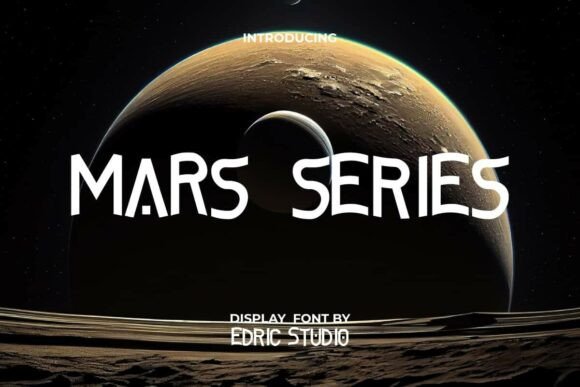
At its core, Mars Series is a wide, sans-serif display font designed for headlines, logos, and any project where you need text to command attention. The letterforms feature slightly rounded edges and an exaggerated horizontal stance that gives words a grounded, confident presence on the page. There's a subtle retro-futuristic quality baked into every curve—think of the typography you'd see on a 1980s movie poster about interstellar travel, but cleaned up and refined for contemporary use.
What makes it visually distinctive is the combination of bold geometry with approachable softness. The characters are wide and sturdy, which means they hold their own against busy backgrounds or dramatic imagery. Yet the rounded corners prevent the font from feeling cold or industrial. It's friendly without being childish, authoritative without being intimidating. That balance is surprisingly hard to find in the world of display fonts, and it's what makes Mars Series such a versatile tool for designers.
The font family typically includes multiple weights and styles, giving you flexibility to create visual hierarchy within a single typeface system. You can use a heavier weight for a hero headline and a lighter variation for supporting text, maintaining a cohesive look across an entire project without juggling multiple unrelated fonts.
Where This Font Actually Shines in Real Projects
Let's talk about practical applications, because a font is only as good as the problems it solves for you. Mars Series works exceptionally well in scenarios where you need to establish a strong visual identity quickly. Here are some specific contexts where it earns its keep:
- Logo design and branding: If you're building a brand for a tech startup, an esports team, a gaming channel, or a science education platform, Mars Series gives you an instant sense of personality. The wide letterforms create memorable wordmarks that scale well from a favicon to a billboard.
- Packaging design: Products targeting a younger, tech-savvy audience—think energy drinks, gaming peripherals, or STEM kits for kids—benefit from typography that feels energetic and modern. Mars Series fits that brief without looking generic.
- Social media graphics: Bold, legible type is non-negotiable when your text needs to pop in a crowded feed. This font's high-impact structure makes it a natural fit for Instagram carousels, YouTube thumbnails, and TikTok overlays.
- Poster and editorial design: Whether you're laying out a magazine spread about emerging technology or designing a flyer for a local astronomy event, the font adds a thematic layer that reinforces your subject matter.
- Website headers and digital products: Landing pages, app interfaces, and digital course materials all benefit from a modern typeface that reads cleanly on screen. Mars Series was built with on-screen legibility in mind, so it performs well in digital environments.
- Merchandise and invitations: T-shirts, stickers, event invitations for themed parties or conventions—anywhere you want typography to double as a design element rather than just a carrier of information.
The common thread across all these applications is that Mars Series doesn't just sit quietly in the background. It participates in the storytelling. When you choose this font, you're making a deliberate aesthetic choice that signals innovation, curiosity, and a certain playful confidence.
Matching Typography to Your Project Goals
Choosing the right display font isn't just about finding something that looks cool in isolation. It's about alignment between your typeface and the message you're trying to communicate. Mars Series works best when your project benefits from a sense of forward momentum and technological optimism. If you're designing for a legal firm or a luxury wellness brand, it's probably not the right fit. But if your audience responds to themes of exploration, gaming, innovation, or education, it's worth serious consideration.
One practical approach is to start with your project's emotional target. Ask yourself: what should someone feel when they first encounter this design? If the answer involves excitement, curiosity, or a sense of adventure, Mars Series aligns naturally with that goal. From there, you can test it against your existing brand colors, imagery, and layout structure to see how it integrates.
Font pairing is another important consideration. Because Mars Series is bold and wide, it works best when paired with a simpler, more neutral companion for body text. A clean sans-serif font with a normal width—something like a classic grotesque or a humanist sans—will provide contrast without competing for attention. You could also pair it with a serif font for a more editorial feel, especially if you're working on a publication or a blog layout. The key is to let Mars Series own the headlines while your secondary typeface handles the longer reading passages.
Practical Tips for Getting the Most Out of It
Before you commit to any premium font for a commercial project, a few practical steps can save you headaches down the road.
Test at the sizes you'll actually use. Display fonts are designed for larger text, so make sure you're evaluating Mars Series at headline scale, not in a 12-point body text mockup. Set a few of your actual headlines and see how they feel in context.
Check the character set. Depending on your project, you may need specific glyphs—currency symbols, accented characters for multilingual support, or special punctuation. Review the included character map before purchasing to confirm it covers your needs.
Understand the licensing. Most commercial fonts come with different license tiers depending on how you plan to use them. A desktop license for print and a web license for online use are often separate. If you're a small business owner or freelancer, make sure the license you purchase covers all your intended applications—logos, websites, merchandise, and so on. Some licenses restrict use in editable templates for resale, which matters if you're creating design assets for others.
Pay attention to spacing and kerning. Wide fonts like Mars Series sometimes need manual kerning adjustments, especially in tight logo compositions. Take a few extra minutes to fine-tune the spacing between specific letter pairs, and your final result will look significantly more polished.
Consider your color and background choices. Because Mars Series has a bold, legible structure, it holds up well against dramatic backgrounds—gradients, photographs, textured surfaces. But it's still worth testing high-contrast and low-contrast combinations to make sure your text remains readable in every context where it will appear.
A Typeface That Earns Its Place in Your Toolkit
Finding the right creative font can genuinely change the trajectory of a design project. Mars Series offers something specific and well-executed: a retro-futuristic personality that bridges vintage gaming aesthetics and modern brand identity design. It's not trying to be everything to everyone, and that's actually its strength. When your project calls for boldness, clarity, and a touch of interstellar ambition, this typeface delivers a cohesive visual language that's hard to replicate with more generic options.
Whether you're a graphic designer building out a client's tech brand, a content creator developing a consistent visual style for your channel, or a small business owner refreshing your packaging, having a reliable display typeface in your collection pays dividends across dozens of projects. Mars Series is the kind of font you reach for when you want your typography to do more than just sit there—you want it to make a statement.